The Future of Search: Can Perplexity AI Replace Google? Deep Testing
by Evan Brooks••5 min read
Search engines have been around for a long time, and people of all kinds, including professionals, researchers, and students, use them to find information. For a long time, Google Search has been the best way to find out new things about school, do research, and make sure what you read is true. When people need to know something, they usually go to Google first, whether it's a quick definition or a long search.
But the rise of AI-powered search tools is changing the way people have always done things. Search engines that use AI don't just give people a long list of links anymore. They try to answer questions, give short answers, and sum up what they have learned.
Perplexity AI is one of these tools that has gotten a lot of attention. It has clear citations for sources and AI-generated summaries, which makes it a great tool for doing schoolwork and research.
I want to know if I can use Perplexity AI instead of Google Search or if they work together.
More than ever, students writing papers, researchers checking sources, and professionals looking for reliable information need to know about this difference.
In this article, we put Perplexity AI and Google Search to the test in the real world to see which one is better. We look at how each tool helps with school research, hard questions, reliable sources, and breaking news. We pay a lot of attention to citations because they are very important for research that you can trust.
The main difference is that keywords and direct answers are not the same thing.
The main difference between Perplexity and Google is how they show you things.
How to Use Google to Search
When you type in keywords, Google looks for things. When you ask it a question, it gives you an answer.
- Posts on a blog
- Articles in the news
- Ads
- Forums and discussion boards
- Results for shopping and watching videos
People can use Google to get information, but they need to know which links are safe and how to put them all together.
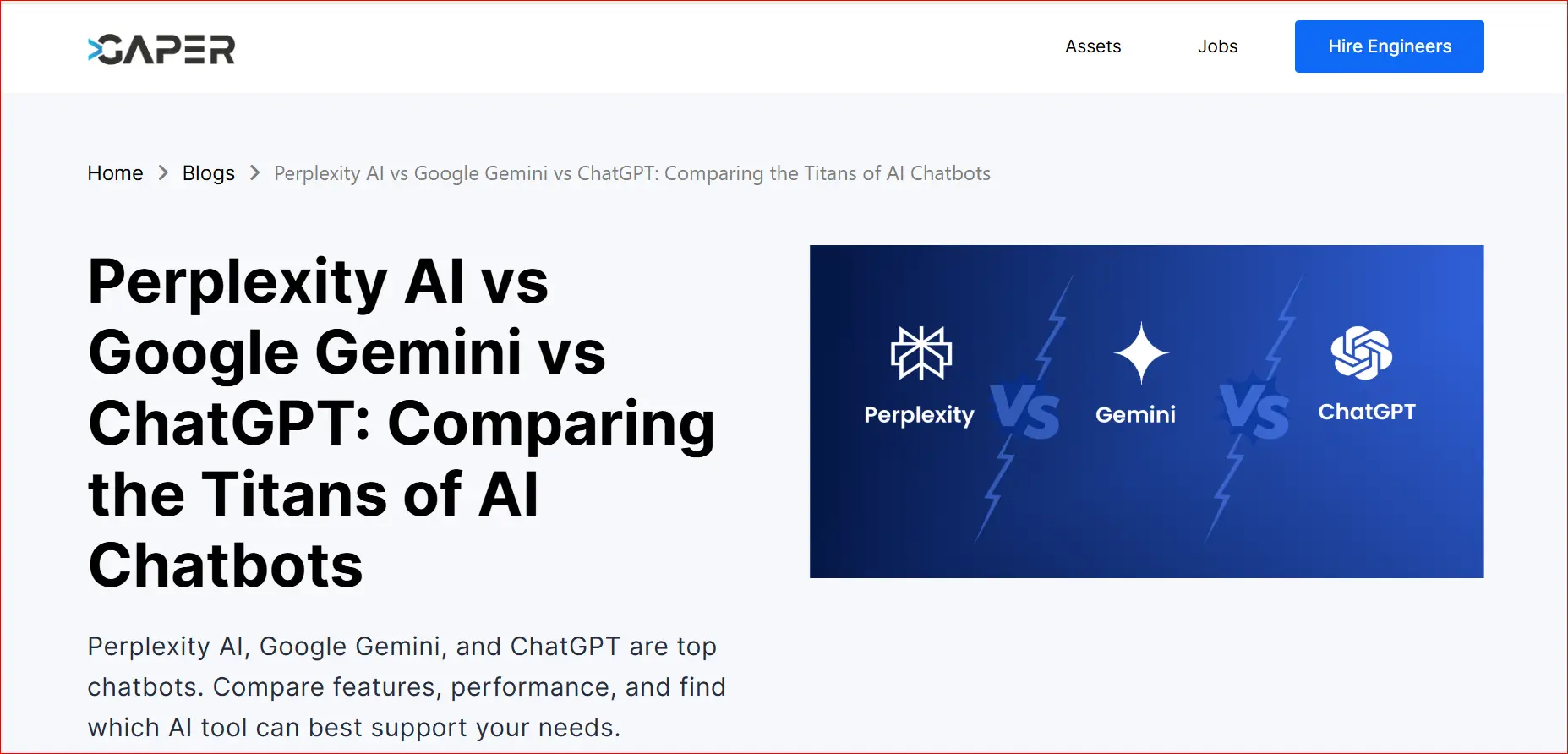
How does AI work?
Perplexity is more like a research tool for AI. It:
- Checks out a lot of places
- Gives a quick summary of the main points
- Provides a clear response
At the end of each part, there are references.
When you have to do research or answer hard questions, this difference is very clear.
A Test of User Experience for College Students Working Part-Time in 2026
We searched for "Best part-time jobs for college students in 2026" on both Google and Perplexity.
This is a question that looks forward and needs:
- Taking a look at trends
- The state of the economy right now
There are a lot of places to find information.
What you find when you use Google
Google gave back:
- Paid job boards at the top
- Blog posts that are good for SEO
- A lot of websites say the same thing.
- Job boards that post services
Users need to do a lot of things with Google, but
- Click on a few links
- To compare information, do it by hand.
- Don't put ads in with real content.
- Check that the dates are correct and the source is trustworthy.
It will take a long time to figure this out. Google is a useful tool, but the person who uses it has to work hard to find what they need.
What happens when AI gets confused
Perplexity answered the same question in a completely different way.
It:
- They put jobs into groups based on where you work, such as on campus, from home, or as a tutor.
- Told us why these jobs will still be there in 2026.
- We talked about things that will happen in the future, such as working from home, digital skills, and machines taking over jobs.
- Provided proof for each main point
The user doesn't have to click on ten links to find out what they need to know. This method saves both students and writers a lot of time.
Use Case for School Research
It's not just about how simple it is to use search tools. It's very important to get the facts right and use the right sources when you do schoolwork.
The Footnote System from Perplexity is a great way to give credit to your sources.
One of the best things about Perplexity AI is that it gives credit to the people who wrote the information. There is a connection between each main claim and:
- Homework
- Groups of news that are true
- Official sites
- Research reports
This is helpful:
- Take a look at the facts.
- Give thanks to the people who helped you.
- Don't use fake sources.
- Make a list of the people who can help you.
Google can help people find trustworthy sources, but it doesn't sort citations by itself. People have to find and check their own sources.
Perplexity's way of citing sources is great for schoolwork.
The Dangers of AI Hallucinations
Search engines that use AI don't always get it right. One worry is hallucination, which is when an AI makes up information that sounds like it knows what it's talking about but might not be true or too simple.
The tests show:
- Perplexity usually stays grounded because it needs sources.
- People should still click on the links and look at them.
- When you're writing for school, you shouldn't just trust what AI says.
Google doesn't make up answers, but it can still show
- Not good for SEO writing
- Data that is no longer useful
- Pages that hurt companies
It's still very important to think critically in both cases.
Timeliness Test: News That Just Happened
The speed and freshness of the news are very important.
Which tool is better for getting the word out?
If you want to know what happened yesterday:
- Google is better.
- Quick news updates come in.
- First, official and up-to-date sources
Perplexity may be a little behind because of:
- When sources are made public, people can see a short summary of what they say.
- It all depends on what reports are out there.
If you want to know what's new, Google is still the best place to look.
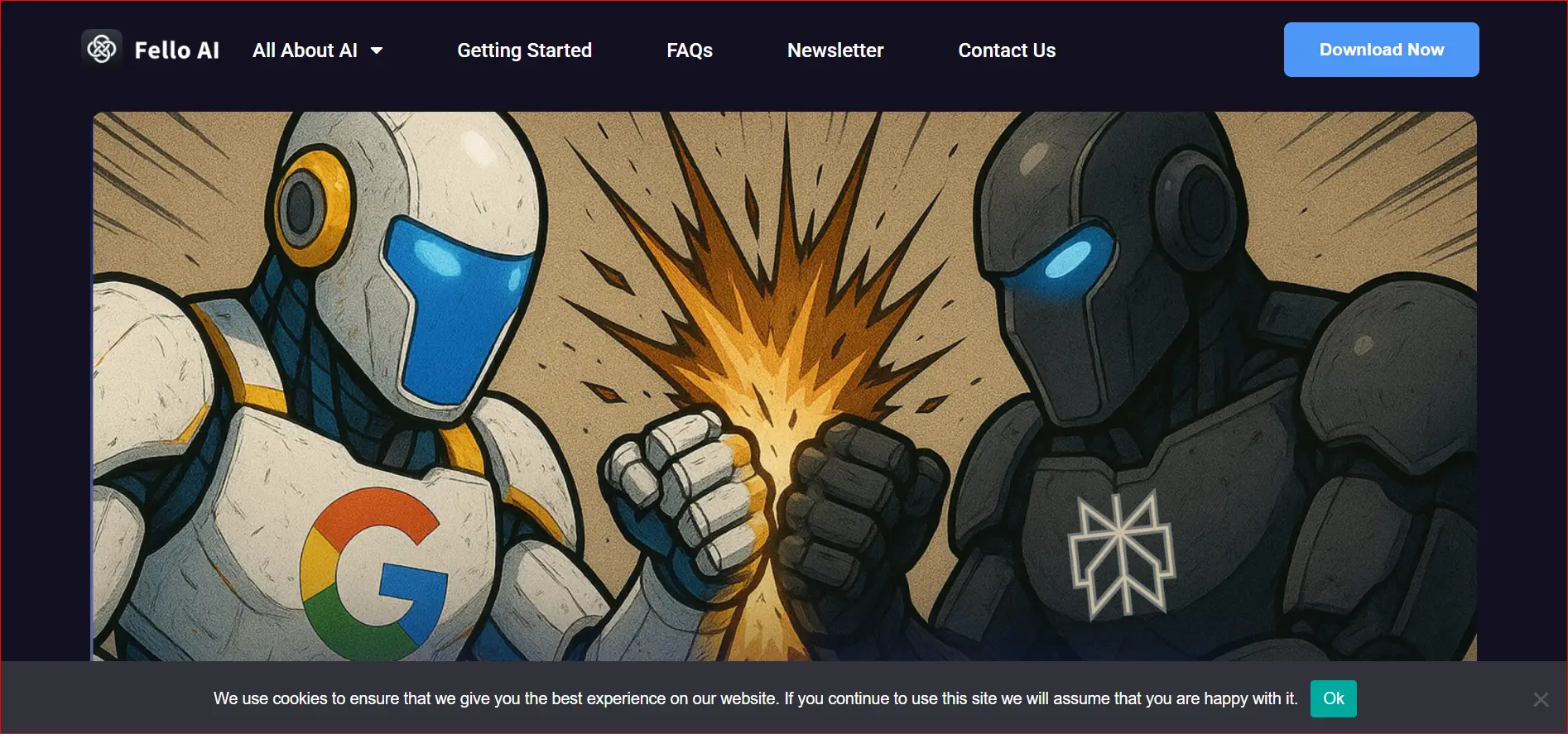
A list of good and bad things
Look for it on Google
Good things:
- Best for news that just came out
- Good for business websites, maps, and shopping.
- A long list of places
Things that aren't good:
- A lot of ads
- SEO noise
- Needs to be looked at by hand
- AI that doesn't know what to do
Good things:
- Summaries that are easy to understand and read
- References that go with it
- Helpful for learning and studying
- Saves time
Things that aren't so great:
- It's not the best place to shop or get around.
- There is a short wait for news that is breaking.
- It still needs to find out where it came from.
Last Thoughts
Google will still be there; Perplexity AI is not a replacement for it. They are different.
Google is still the best place to get news as it happens, find official websites, shop, and look for things based on where you are. Perplexity AI is a great way to keep track of facts, do homework, learn, and compare different subjects.
There won't be a better way to search in the future. You have to use both of them at the same time. Perplexity is like a smart research helper. Google is the search engine that most people use.
People who work with information, like students and researchers, don't see Perplexity AI and Google as competitors. In the age of AI, these two tools work well together to make research easier to understand and faster.
Author

Evan Brooks
Visual AI Tool Reviewer
Evan tests free AI image and video tools by using the same prompts on different platforms. He looks at the real visual quality, the limits of the free plan, and whether a tool can actually replace paid creative software in everyday life.
Related Posts
Essential for Students in 2026: 20 Completely Free AI Learning Tools
20 Free AI Learning Resources Being a student in 2026 is harder than it has ever been. Students have a lot to do, like write good essays, learn difficult subjects quickly, give presentations, and finish difficult assignments, all with little time and
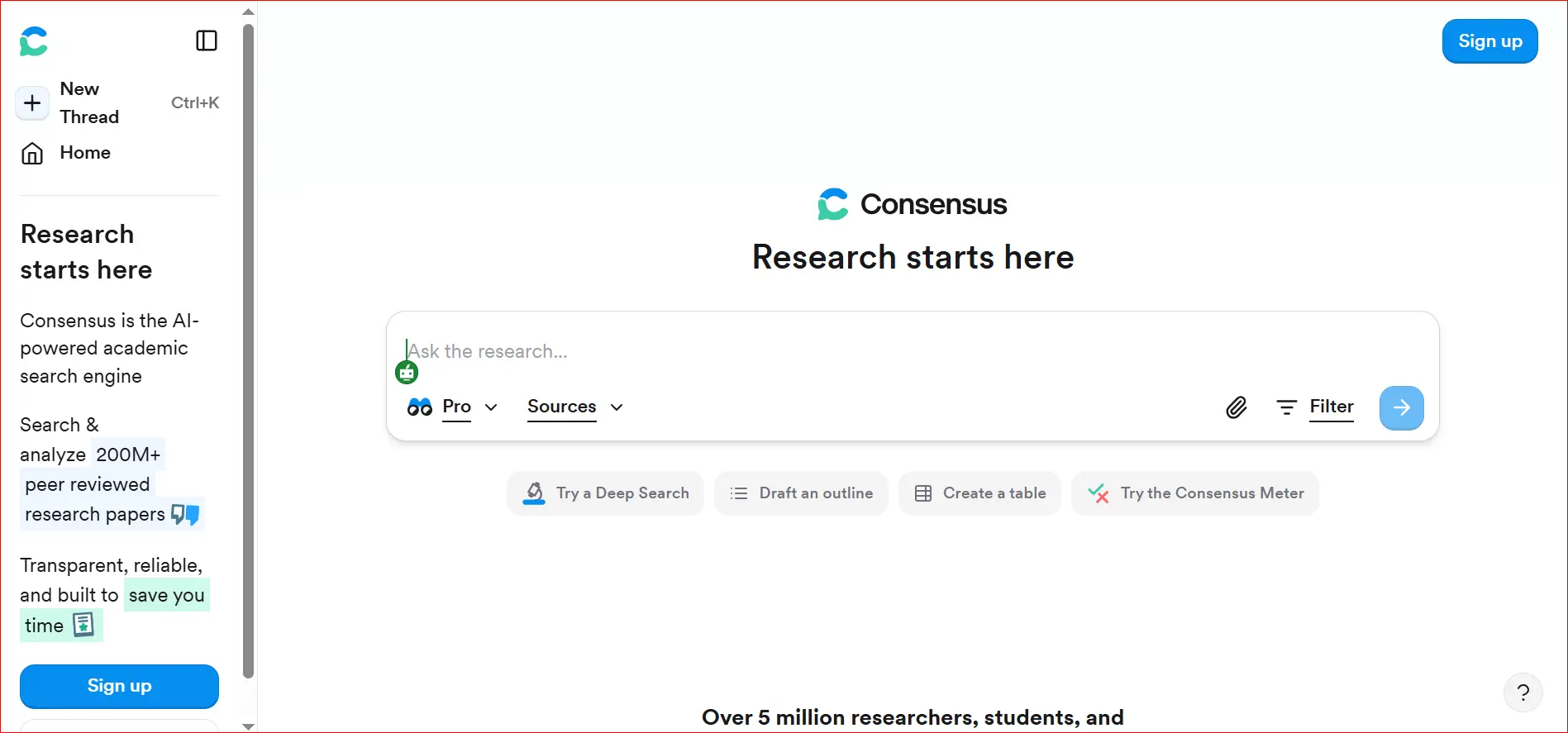
How to Quickly Find Real Academic Citations Using AI Consensus
AI tools have changed the way students, teachers, and researchers look for school information. It used to take a long time to find useful information on Google Scholar, academic databases, or journal websites. Many people thought it was slow and anno
How to Summarize Long YouTube Videos for Free
People who want to learn on their own, like students and researchers, can find a lot of useful information on YouTube. YouTube has a lot of videos that can help you learn, like university lectures, how-to videos, and videos that can help you study fo